



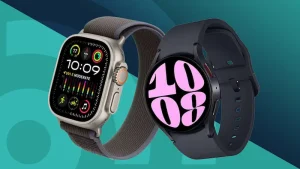
Few areas of consumer technology move as quickly as wearables, and the latest wearable technology trends show a clear direction: devices are getting smarter, smaller, and far more useful in daily life. What began as simple step counters has grown into a category that includes smartwatches, fitness rings, health-focused earbuds, and even smart glasses. If you are thinking about buying your first wearable or upgrading an older one, understanding where the market is heading will help you choose a device that stays useful for years rather than months.
Health Tracking Is Getting Seriously Advanced
The biggest shift in wearable technology trends is the move from basic activity counting to genuine health monitoring. Modern devices track heart rate variability, blood oxygen levels, skin temperature, sleep stages, and stress indicators throughout the day. Some smartwatches can even take an ECG or flag irregular heart rhythms. This does not turn your wrist into a doctor, but it does give you early signals worth paying attention to, and many people now share their wearable data directly with their healthcare providers.
For buyers, the practical takeaway is to look beyond step counts. If health is your main motivation, compare sensor accuracy and the quality of the companion app rather than the number of features on the box. It is also worth reading honest assessments before you buy, since marketing claims and real-world performance often differ. A good starting point is this roundup of new tech product reviews with honest insights on the latest gadgets, which looks at what new devices actually deliver in everyday use.
Smaller Form Factors: Rings, Bands, and Glasses
Another clear trend is shrinking hardware. Smart rings have become a popular alternative for people who want health tracking without a screen on their wrist. They are comfortable to sleep in, which makes their sleep data more reliable, and their batteries often last a week. Lightweight fitness bands remain the budget-friendly entry point, while smart glasses are slowly moving from novelty to genuinely useful tools for navigation, notifications, and hands-free photos.
Choice is good, but it can also be confusing. If you prefer straightforward comparisons written in plain language, these simple device reviews with easy insights on the latest gadgets break down what each type of device does well without drowning you in specifications.
Battery Life Is Finally Improving
For years, the compromise with wearables was charging them constantly. That is changing. Efficiency gains in chips and displays mean many fitness trackers now run for ten days or more, and even full-featured smartwatches are stretching toward multi-day battery life. Solar-assisted watches aimed at outdoor users can go weeks between charges. When you compare devices, treat battery life as a headline feature, not a footnote, because a wearable that is always on the charger is a wearable you will stop using.
Real-world testing matters here too. Manufacturer estimates are usually optimistic, so look for feedback from people who have lived with a device for months before trusting a battery claim.
AI Features and Smarter Insights
Artificial intelligence is quietly reshaping what wearables do with the data they collect. Instead of raw charts, apps now offer readiness scores, personalised training recommendations, and coaching that adapts to your recovery. Your watch might suggest an easier workout after a poor night of sleep, or nudge you to wind down earlier based on your patterns. Expect this to deepen: on-device AI is one of the wearable technology trends most likely to define the next generation of products.
The flip side is privacy. More insight requires more data, so check what a manufacturer collects, where it is stored, and whether you can export or delete it. A trustworthy brand explains its data policy clearly and does not hide the important details.
What to Buy Right Now
With so many options, the best approach is to match the device to your actual habits. Runners and gym users benefit from accurate GPS and heart rate tracking. People focused on sleep and recovery may prefer a discreet ring or band. If you want notifications, calls, and apps on your wrist, a full smartwatch makes sense, as long as you accept shorter battery life. And there is no need to overspend: plenty of capable devices sit in the mid-range, and comparing budget gadget reviews for finding the best devices without breaking the bank can save you a significant amount of money.
Subscriptions and Ecosystem Lock-In
One trend buyers notice too late is the spread of subscription features. Several brands now place advanced health reports, coaching, or historical data behind a monthly plan, which means the purchase price is only the beginning. Before choosing a device, check which features are free forever, which require a subscription after a trial, and what happens to your data if you cancel. A slightly more expensive device with no ongoing fees often works out cheaper over two or three years of use.
Ecosystem compatibility matters just as much. Some wearables work fully only with one phone brand, limiting health features or notification replies when paired with a rival system. If you think you might switch phone platforms, favour a wearable that treats both major systems equally. Checking compatibility lists and app store reviews before buying takes ten minutes and can save you from owning an expensive device that only half works with your next phone.
Conclusion
One final habit ties all of this together: revisit your choice after a month of use. Note what you actually wear the device for, which features you ignore, and whether the battery and comfort still satisfy you. That honest review makes your next purchase far better informed, and it is exactly the kind of long-term perspective that launch coverage cannot give you. Wearables reward buyers who think in years, not product cycles.
The wearable technology trends shaping the market today point toward devices that monitor health more deeply, last longer between charges, and use AI to turn data into genuinely helpful advice. Whatever you choose, prioritise comfort, battery life, and honest reviews over headline features. A wearable you enjoy wearing every day will always beat a more advanced one that ends up in a drawer.
